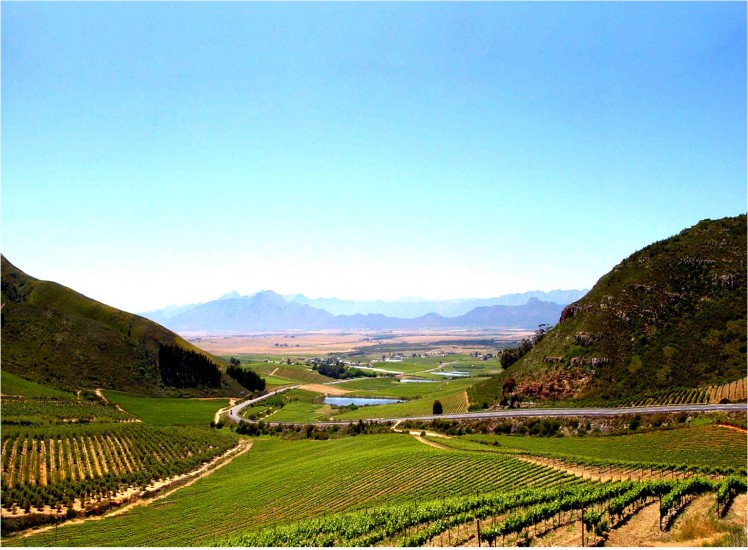
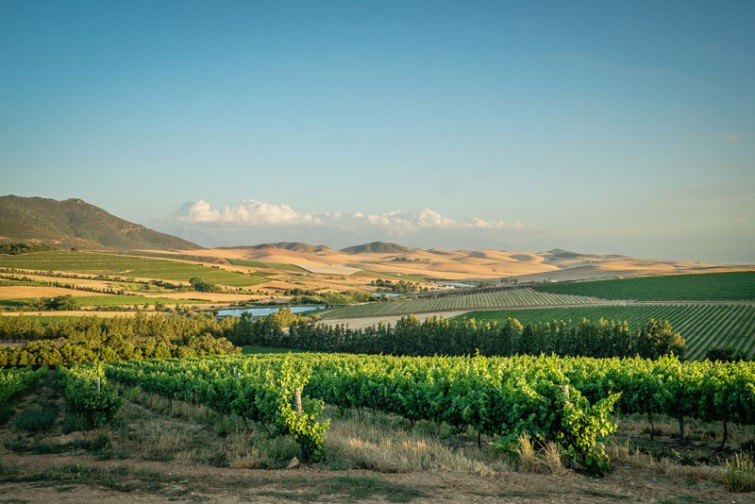
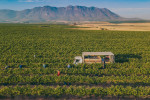
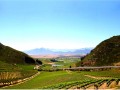
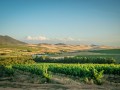
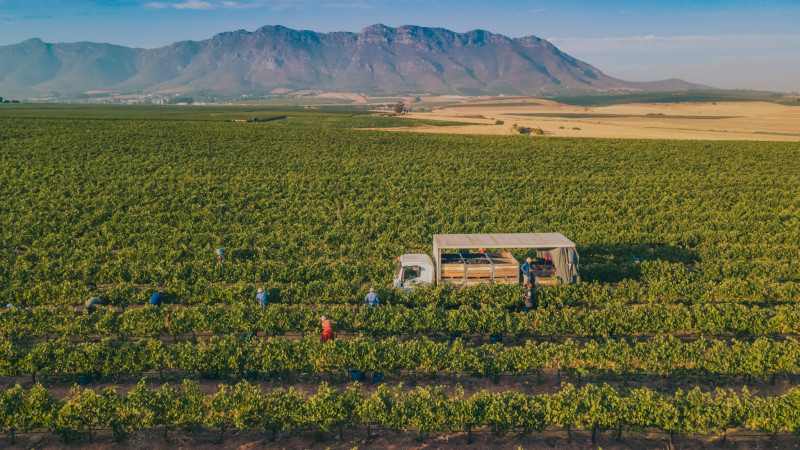
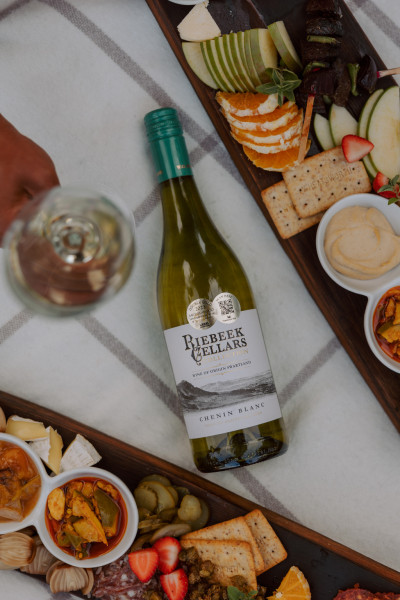
Nestled in the picturesque Riebeek Valley, in the heart of South Africa’s Swartland wine region, Riebeek Valley Wine Co has been crafting wines rooted in heritage and terroir since 1941. Founded by nine local farmers, the winery continues a tradition of winemaking influenced by Dutch and French roots dating back more than 350 years.
The valley’s story begins in 1661 when Dutch explorer Pieter Cruythoff discovered the area and named its striking mountain Kasteelberg (“Castle Mountain”), inspired by the Castle of Good Hope in Cape Town, the fortress of Commander Jan van Riebeeck. The twin towns of Riebeek Kasteel and Riebeek West, which lie at the foot of the mountain, were later named in his honour. Just a few decades later, French Huguenots arrived at the Cape after fleeing persecution in Europe and recognized the valley’s remarkable terroir as ideal for continuing their proud winemaking traditions.
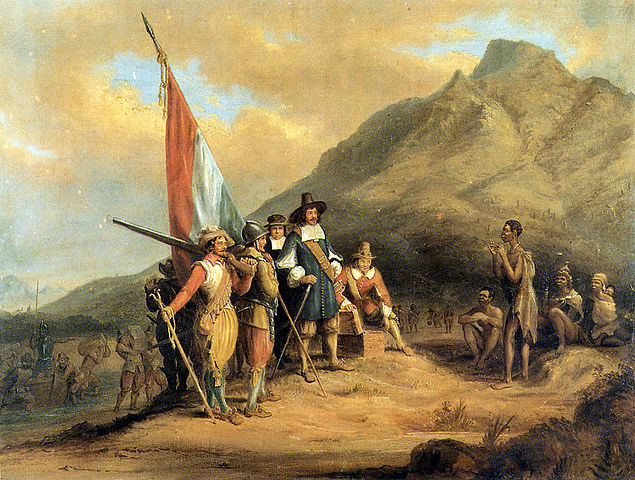 Commander Jan van Riebeeck
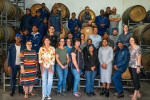
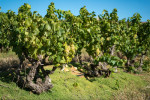
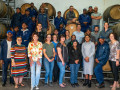
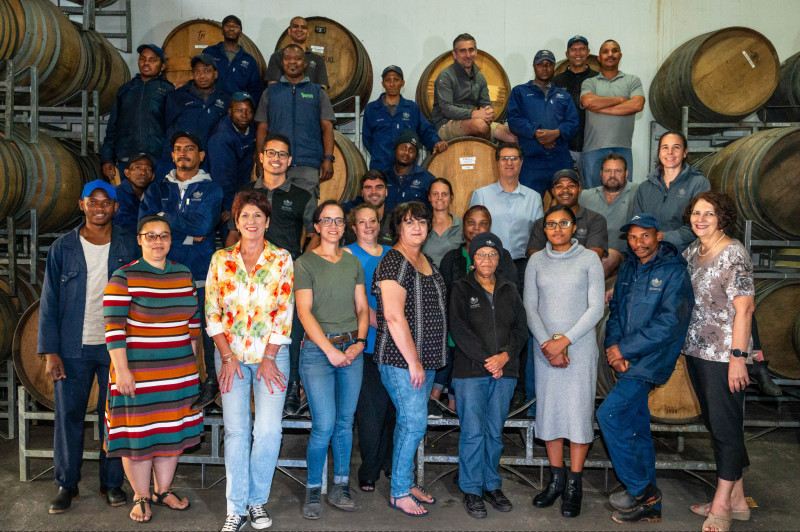
Today, Riebeek Valley Wine Co stands as an authentic W.O. Swartland producer. Grapes are sourced exclusively from 22 dedicated growers across the Riebeek Valley, including families who have cultivated vineyards for three and four generations. By working with this close-knit group of growers, the winery ensures consistency, quality, and a deep respect for the valley’s unique terroir. The winery produces approximately 1.2 million nine-liter cases annually.
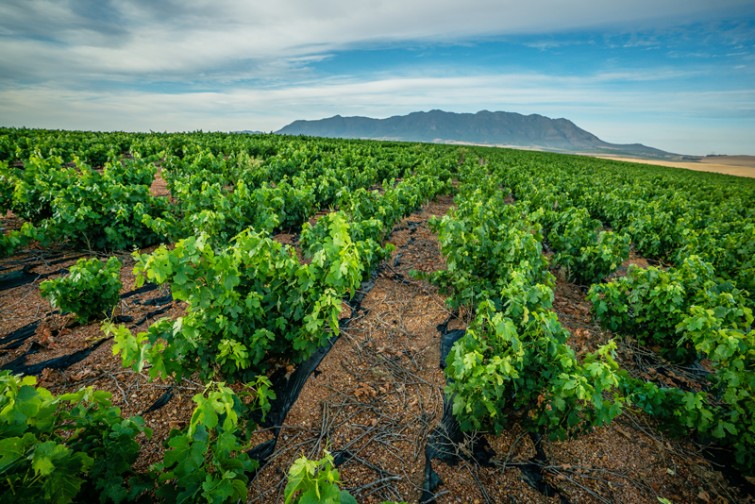
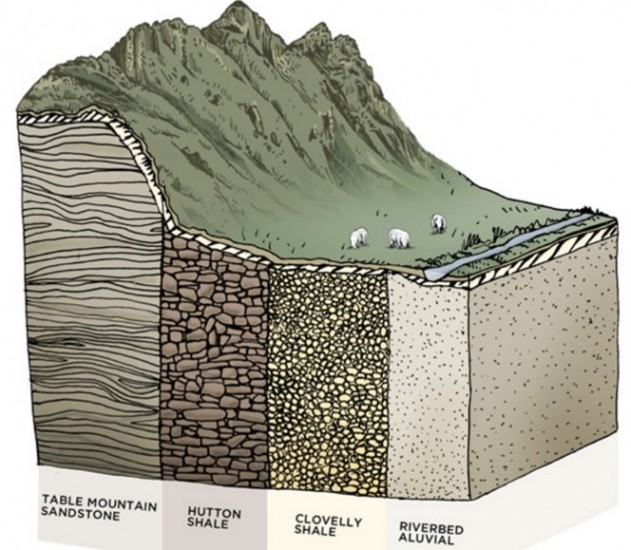
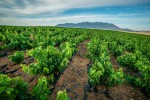
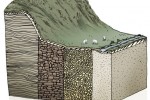
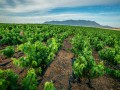
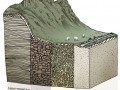
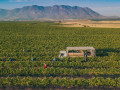
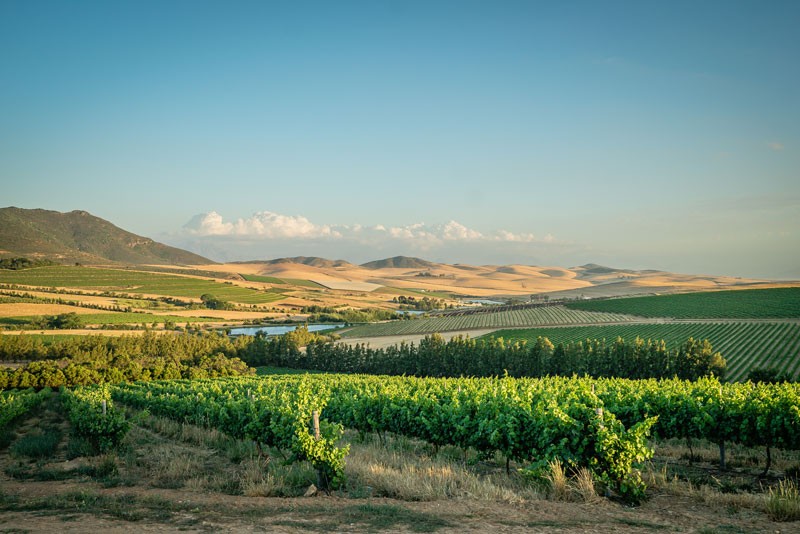
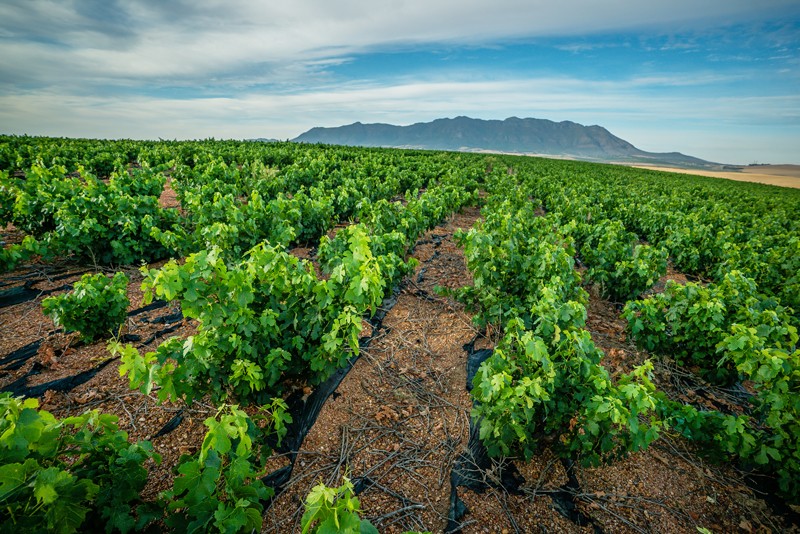
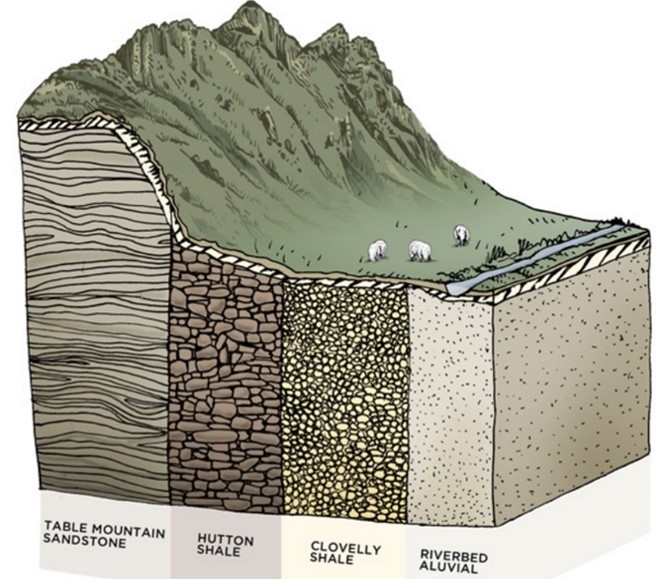
The vineyards stretch across a diverse landscape of soils, climates and elevations, ranging from 60 meters above sea level to 300 meters along the slopes of the iconic Kasteelberg mountain. This varied terrain creates a rich mosaic of soils: Oakleaf and Dundee alluvial soils deposited by the Berg River; Swartland and Glenrosa soils derived from shale along the mountain slopes; and the distinctive “Koffieklip” (coffee stone), a clay and iron-rich ferricrete soil renowned throughout South Africa for its durability and excellent drainage.
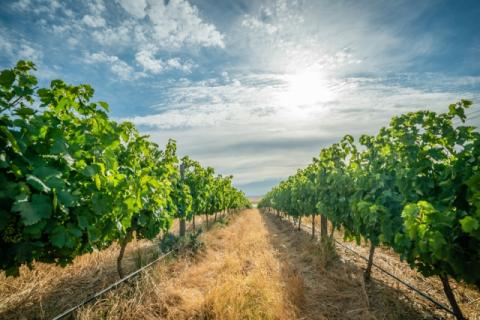
This remarkable terroir shapes the character of Riebeek Valley Wine Co wines. Winter rainfall provides essential moisture, while sufficient cold units allow vines to rest before budbreak in early September. Summers are warm and sun-filled, tempered by cooling westerly breezes that create ideal conditions for producing expressive white and red wines.
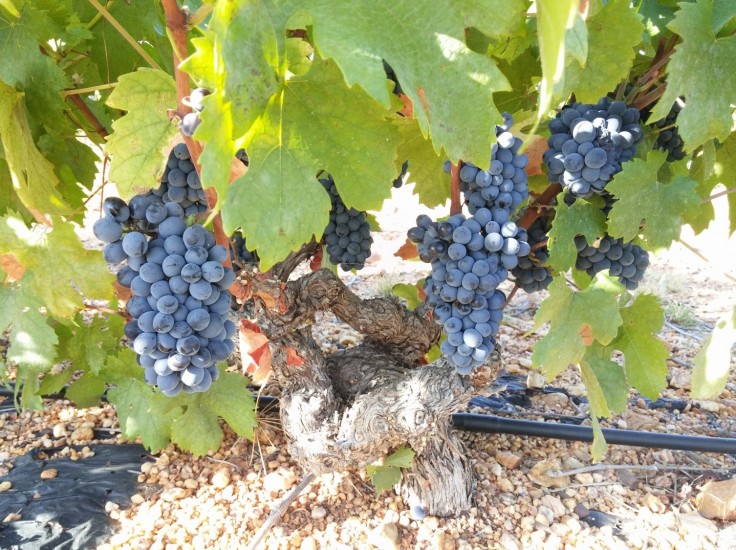
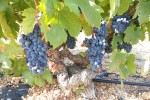
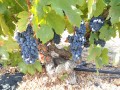
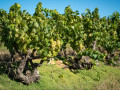
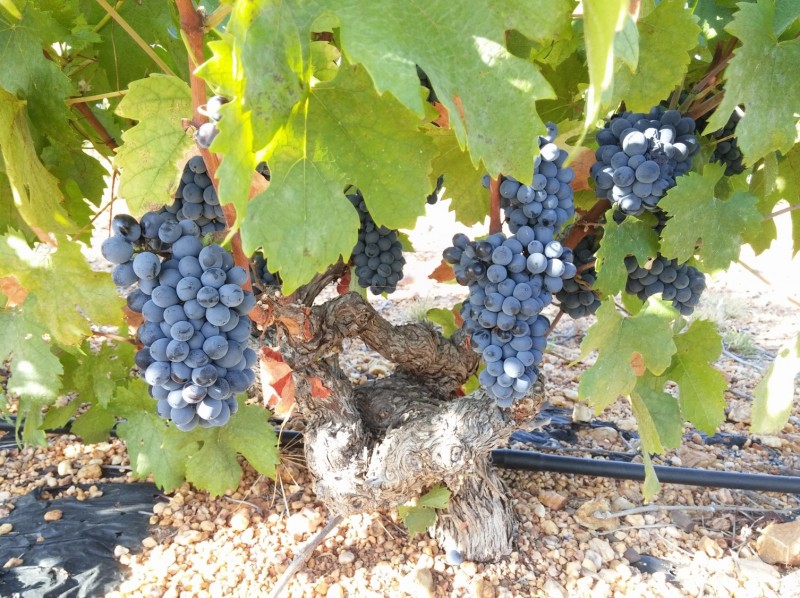
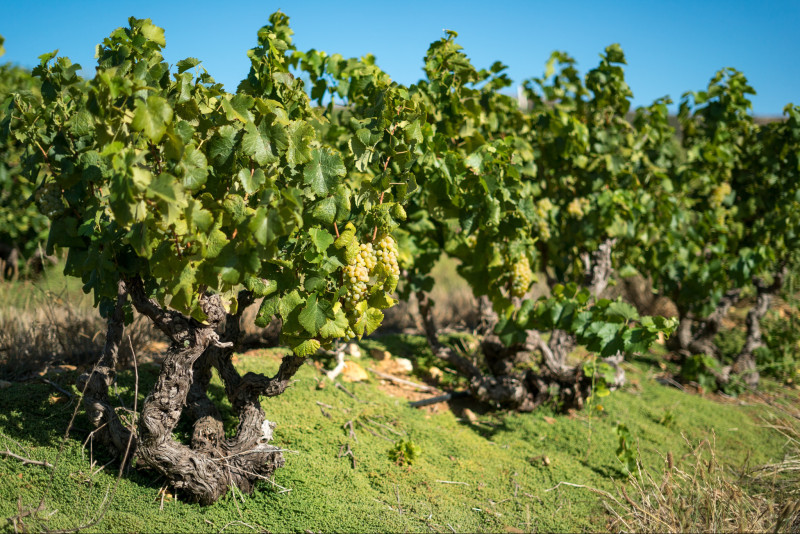
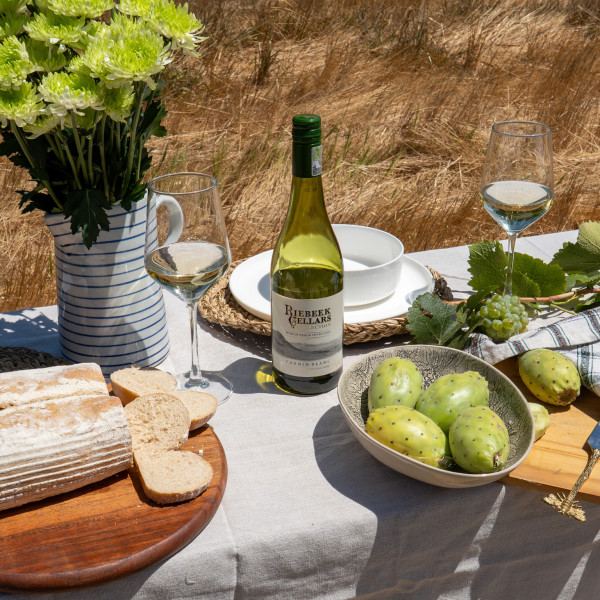
A wide range of cultivars flourishes in the valley, with Shiraz, Pinotage and Chenin Blanc particularly thriving in the gravel and shale soils that naturally moderate vine growth and yields. Combined with modern viticultural practices, these conditions allow the grapes to ripen fully and express the distinctive character of the Swartland.
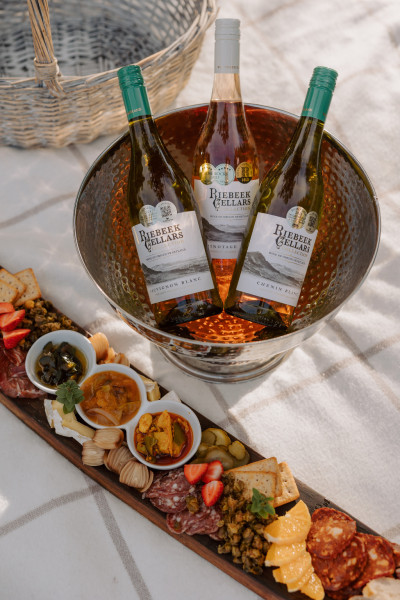
Riebeek Cellars, located on the western coast of the Cape Province of South Africa, was established over 70 years ago. These wines are meant to be consumed early in life, and therefore the focus is on unmanipulated, unadulterated, straightforward, abundant fruit."
Robert Parker's Wine Advocate (Issue #208, August 2013)
Robert Parker's Wine Advocate (Issue 201, June 2012)